Santa Severina: a Journey in the
"Stone Ship'" between History and Medieval Traditions
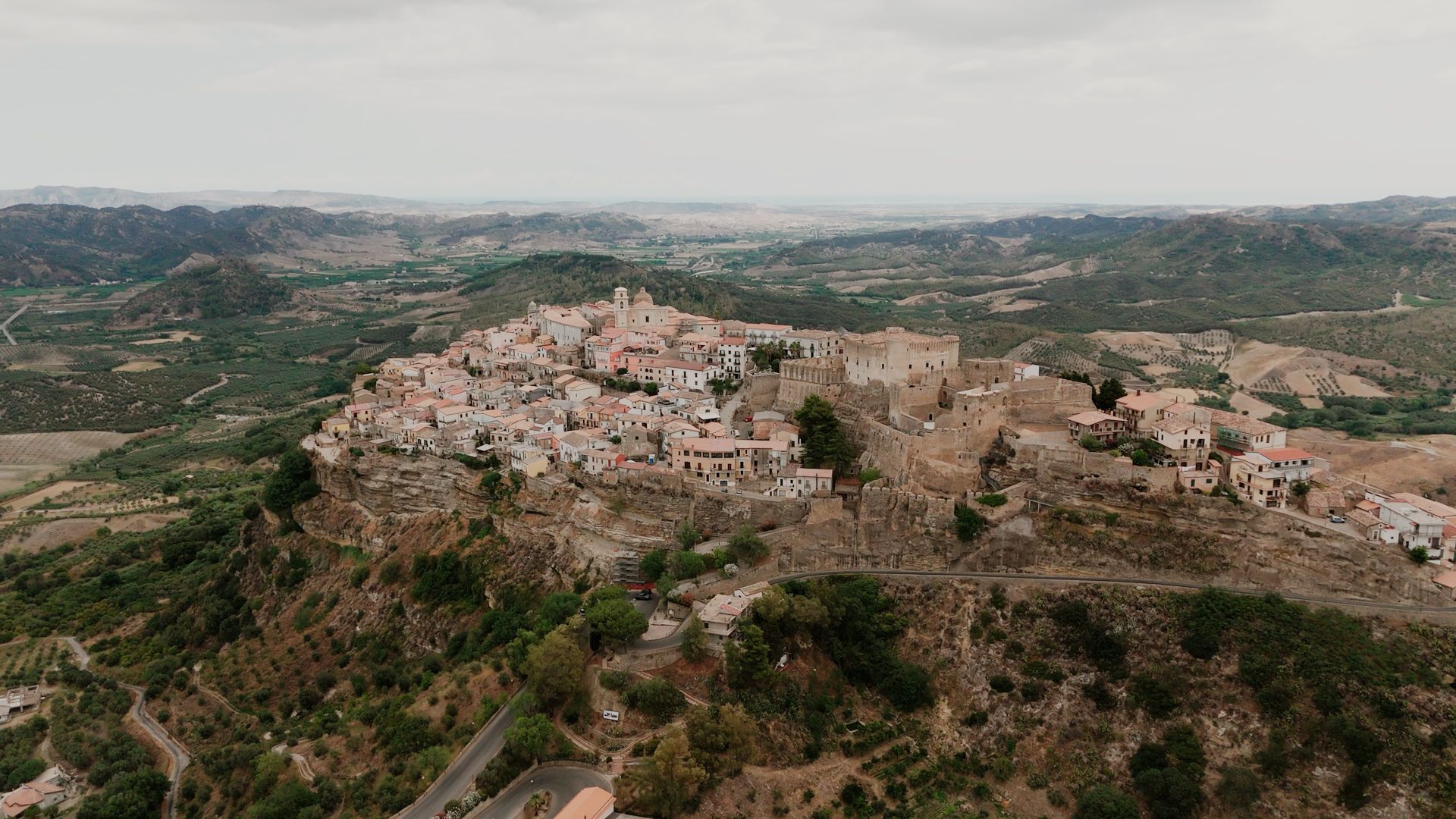
Santa Severina is an Ancient Medieval Village set on a hillock three hundred metres above the sea, located in the centre of the province of Crotone halfway between the Ionian Sea and the Sila Mountains in the middle of a wonderful hilly landscape, with the Neto River running through its territory. The town coincides with the Historical Centre, whose ‘Stones’ tell the thousand-year History of this Community.
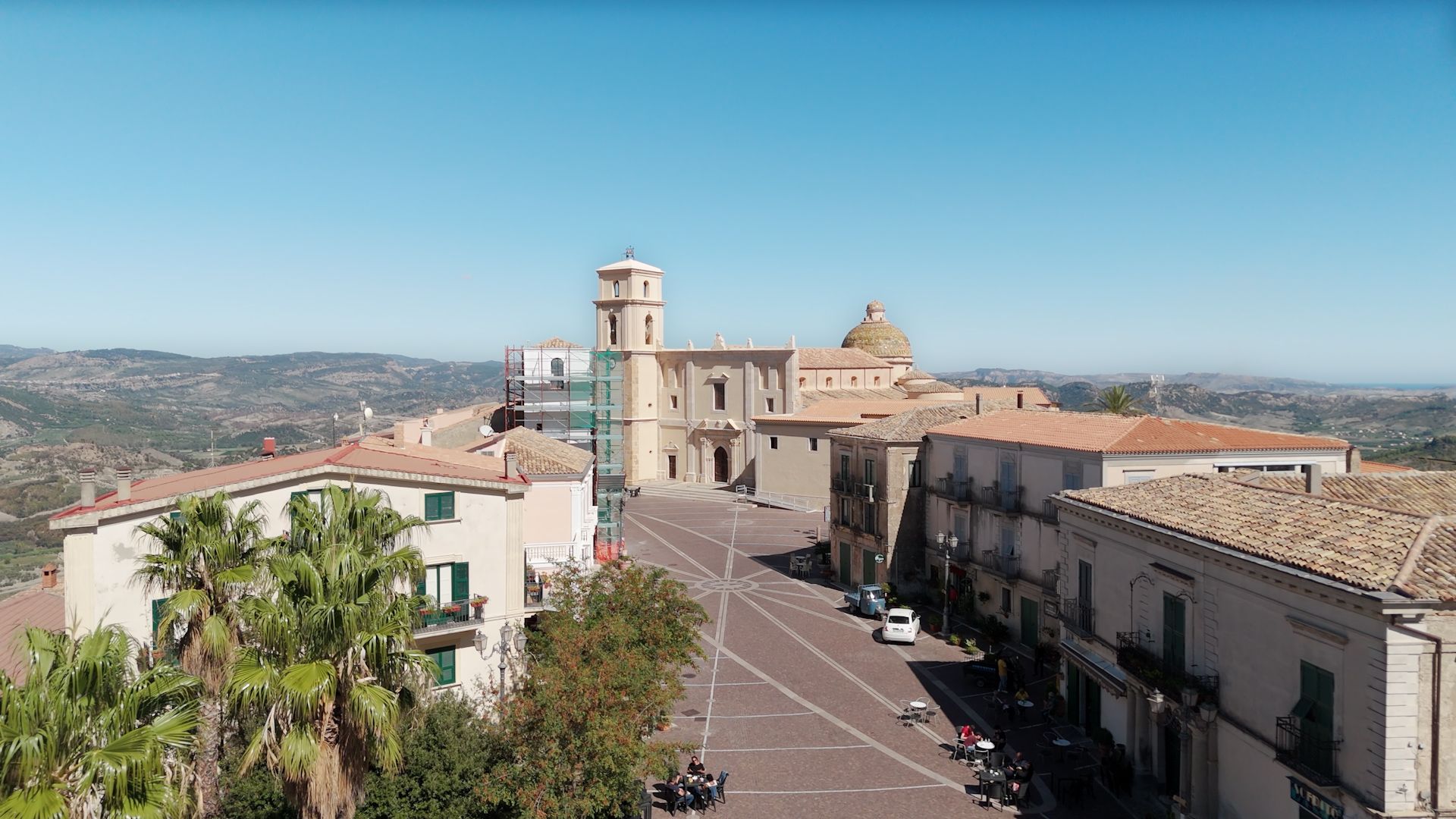
The Village, which boasts the title of one of the Most Beautiful Villages in Italy, stands on a tuff spur overlooking the valley of the Neto River.
An Ancient History
Santa Severina is an Ancient Greek Colony known as Siberene, the settlement is documented as an Oenotrian City as early as the 5th century BC.
The place became an outpost of the Byzantium Empire, which built a Kástron (fortress agglomeration) on the highest part of the rocky outcrop and in the following century was elevated to the Metropolitan See of Byzantium, where the Archbishop took up residence.
After the year 1000, the village, after a two-year siege, was conquered by the Normans and construction of the castle began.
The Stone Ship
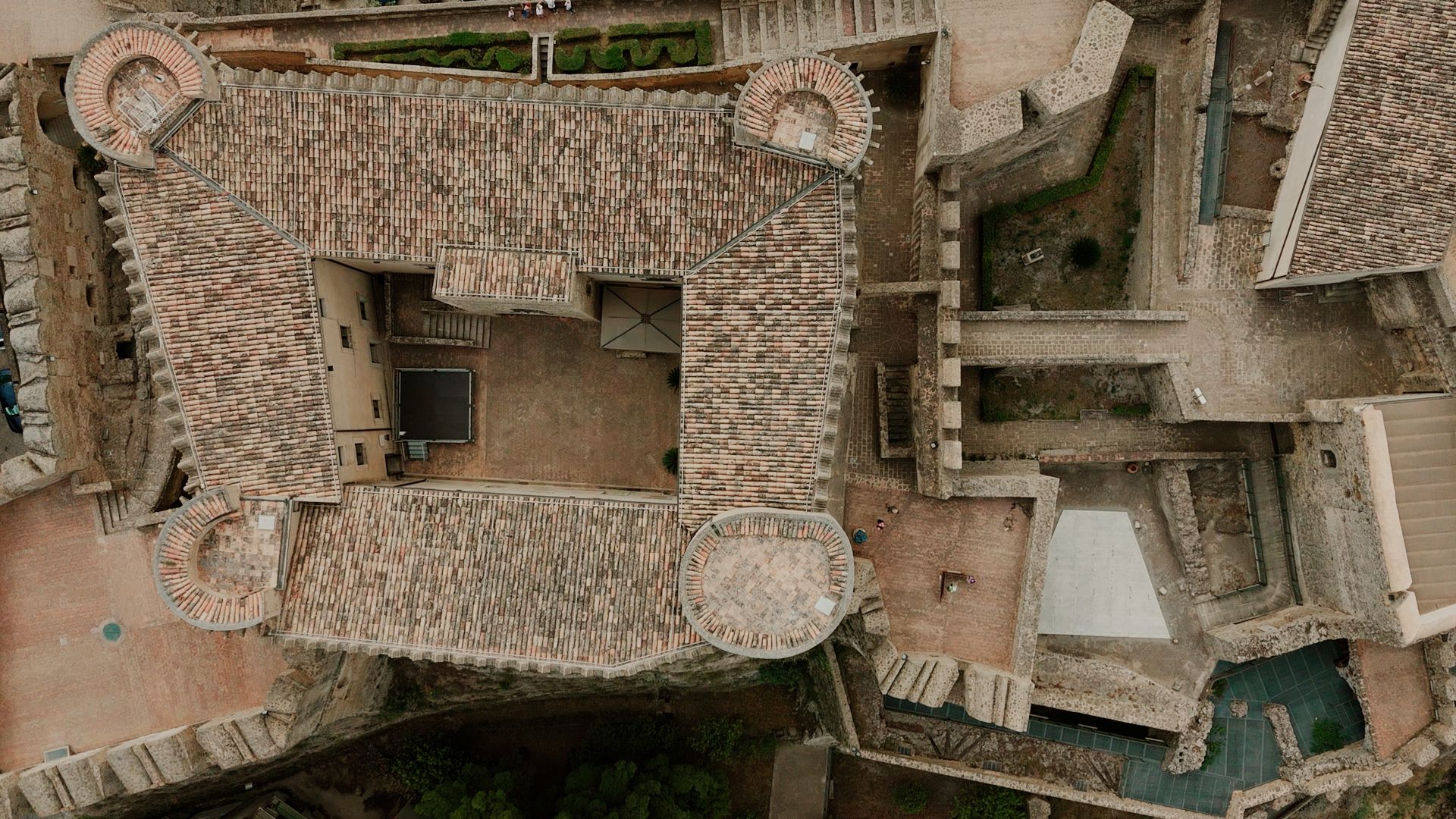
The Village of Santa Severina is known as the ‘Stone Ship’, because of its shape that from above resembles a ship stranded between the rocks, an image that is made even more fascinating at first light, when the valley is immersed in mist and the ‘Stone Ship‘ seems to want to plough this ‘white sea’.
- Piazza del Campo
- Norman Castle
- Villa Comunale
- Co-Cathedral of Sant’Anastasia
- Baptistery
- Diocesan Museum
- Archbishop’s Palace
- Porta di Terra
- Museum of Contemporary Art of Santa Severina (MACSS)
What to Visit in Castelsilano
The Most Beautiful Village in Italy
Santa Severina has been included in the circuit of the Most Beautiful Villages in Italy, and here it is impossible not to be captivated by the Byzantine Charm emanating from the historic buildings, and the breathtaking views stretching as far as the sea. Strolling through the narrow, winding streets of the Historical Centre of Santa Severina is a fascinating experience. Stone houses, flower-decked balconies, cosy squares such as Piazza Campo and minor churches create a charming atmosphere that tells of centuries of history and tradition. A walk through the Grecìa District, in the eastern part of the town, which has retained virtually unchanged its original urban structure. Here, the houses appear to be carved into the rock. From Grecìa, we move on to the nearby Judea District, an ancient Jewish Quarter until the 16th century.
But the most evocative place is Piazza del Campo, which, with its name, preserves its identity as a parade ground, dividing the Norman Castle and the municipal Villa from the Co-cathedral of Sant’Anastasia, with its Baptistery, the oldest Byzantine Monument in the whole of Calabria, and the Diocesan Museum. The square immediately conveys the charm of this ‘Medieval’ Village, which, amid myths, legends and history, takes on a magical dimension. The Belvedere offers a spectacular view of the surrounding countryside and the Sila Mountains. It is the ideal place to admire the panorama and take souvenir photos of this fascinating village.
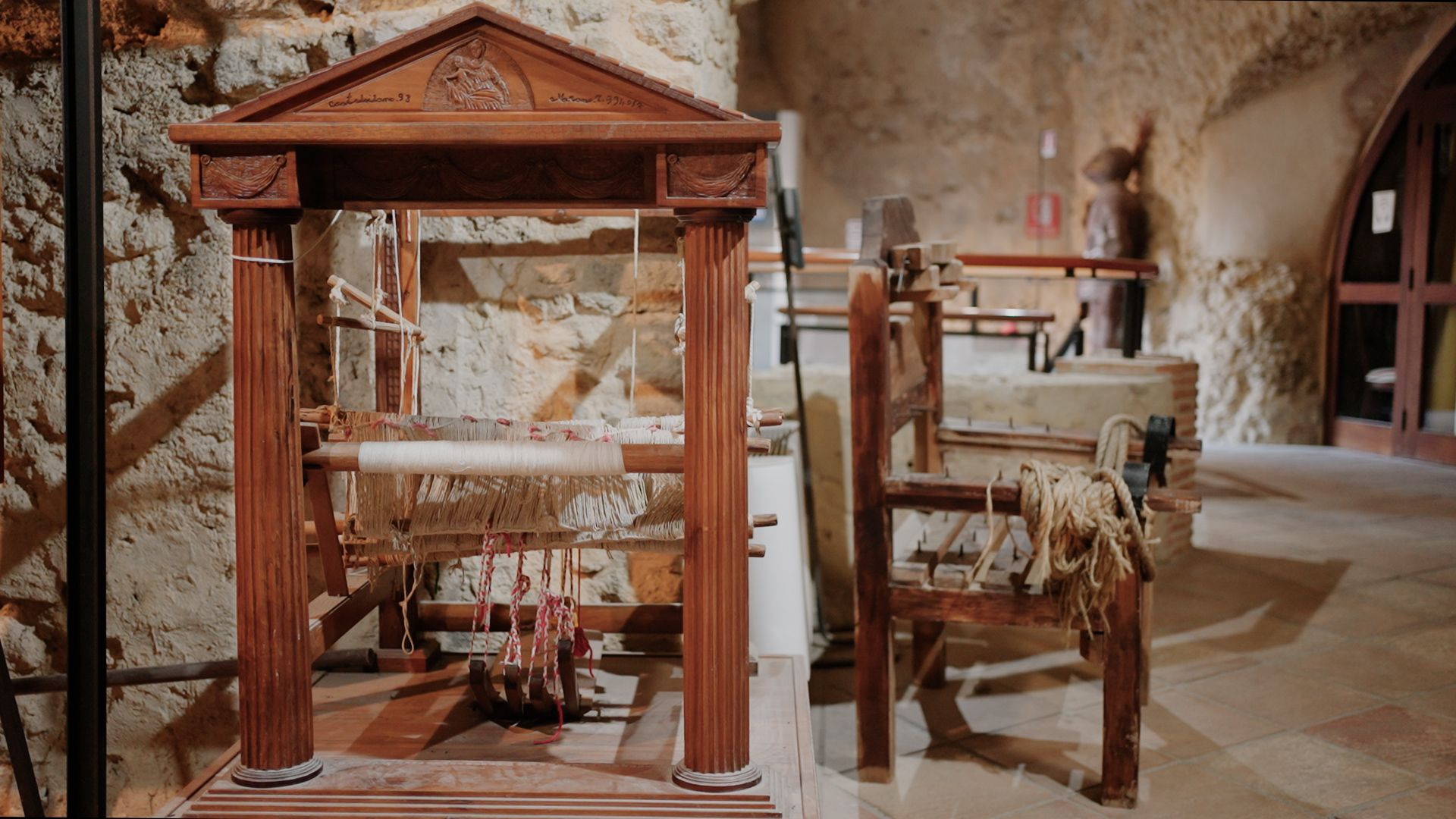
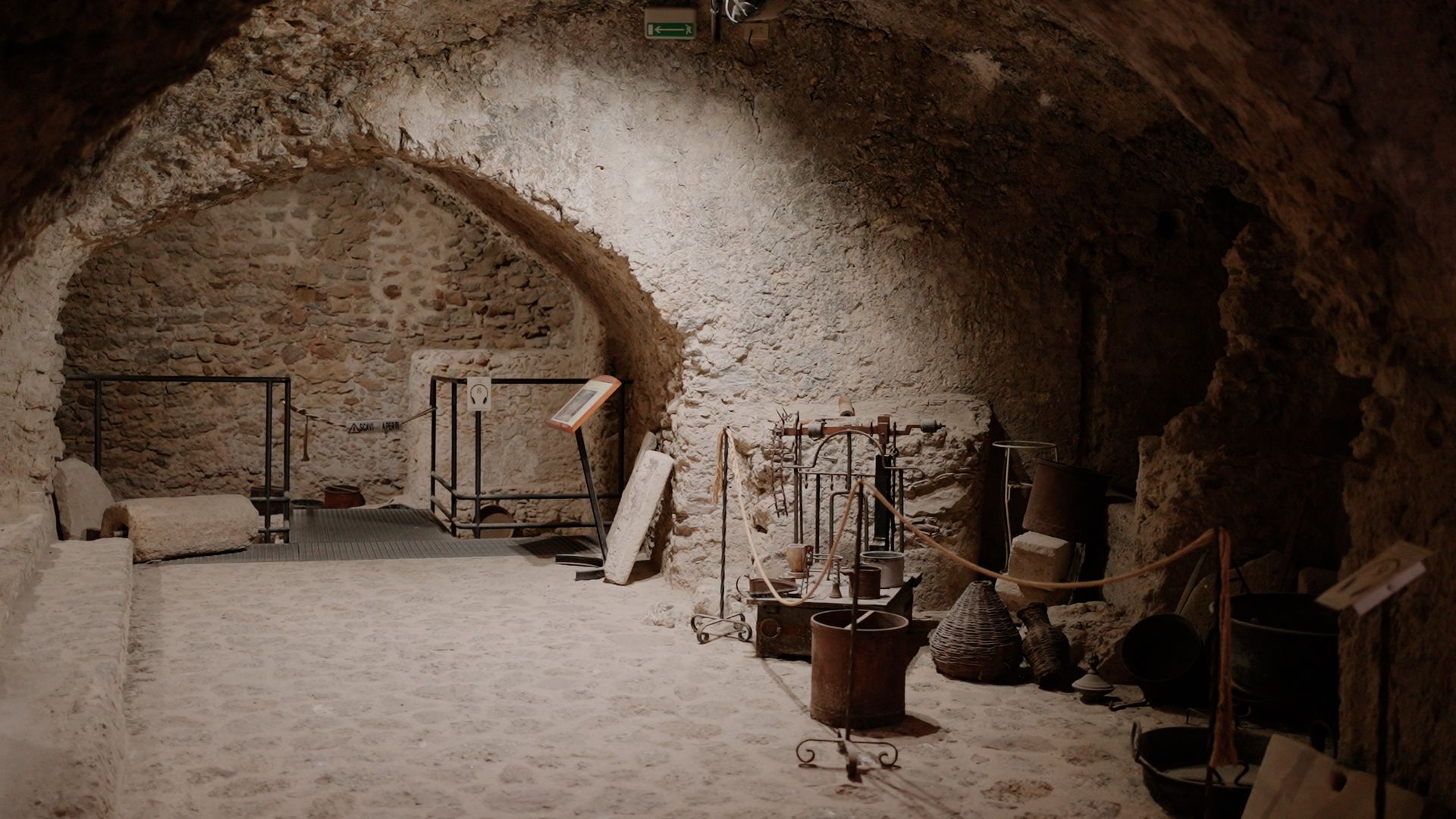
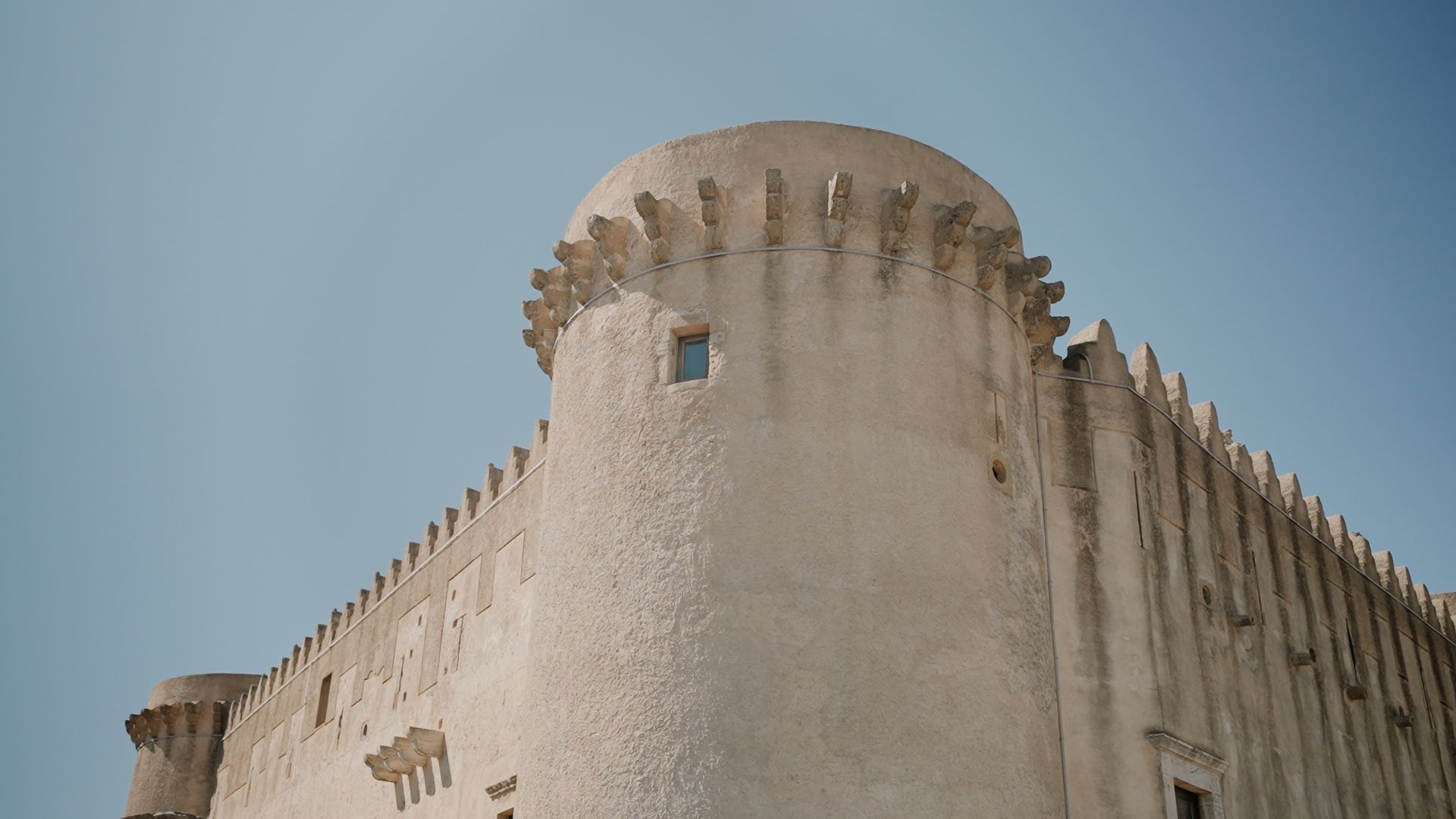
The southern side of the square is dominated by the majestic Norman Castle built in the early 11th century on the ruins of an earlier Byzantine Fortification. Over the centuries it was modified and enlarged and today it is magnificently preserved and considered one of the most beautiful and complex military works in Calabria. This imposing Norman Castle, with its massive towers, inner courtyards and frescoed rooms, offers an extraordinary panoramic view of the Neto Valley. The Castle also houses a Museum with archaeological finds and exhibitions that tell the story of the village and its inhabitants.
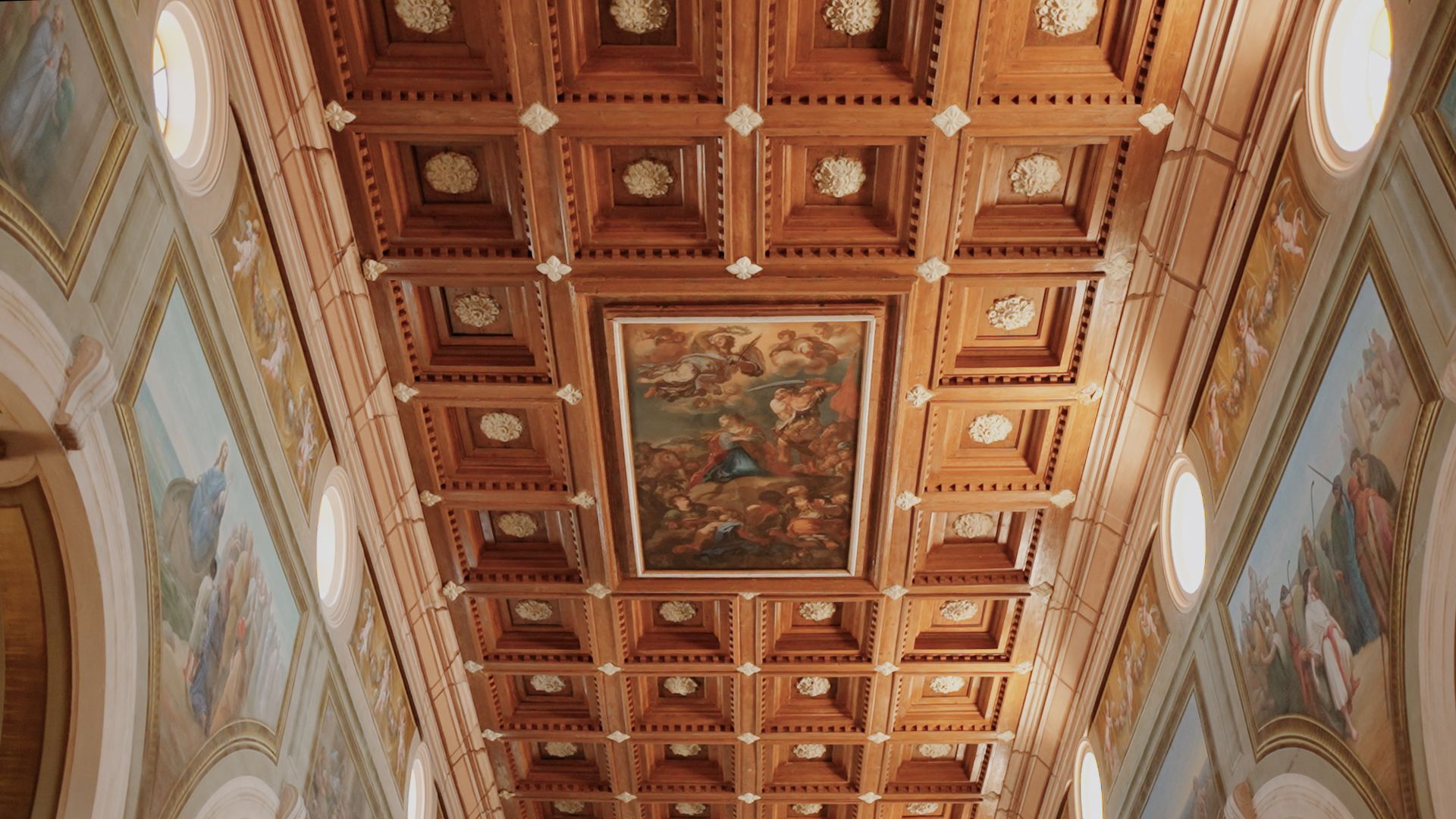
The Cathedral of St Anastasia is one of the most important churches in Calabria, founded in the 9th century and rebuilt several times in the following centuries. Inside the Cathedral, one can admire precious frescoes, a crypt with ancient tombs and an iconostasis from the Byzantine Period, testifying to the Religious and Historical importance of the Village.
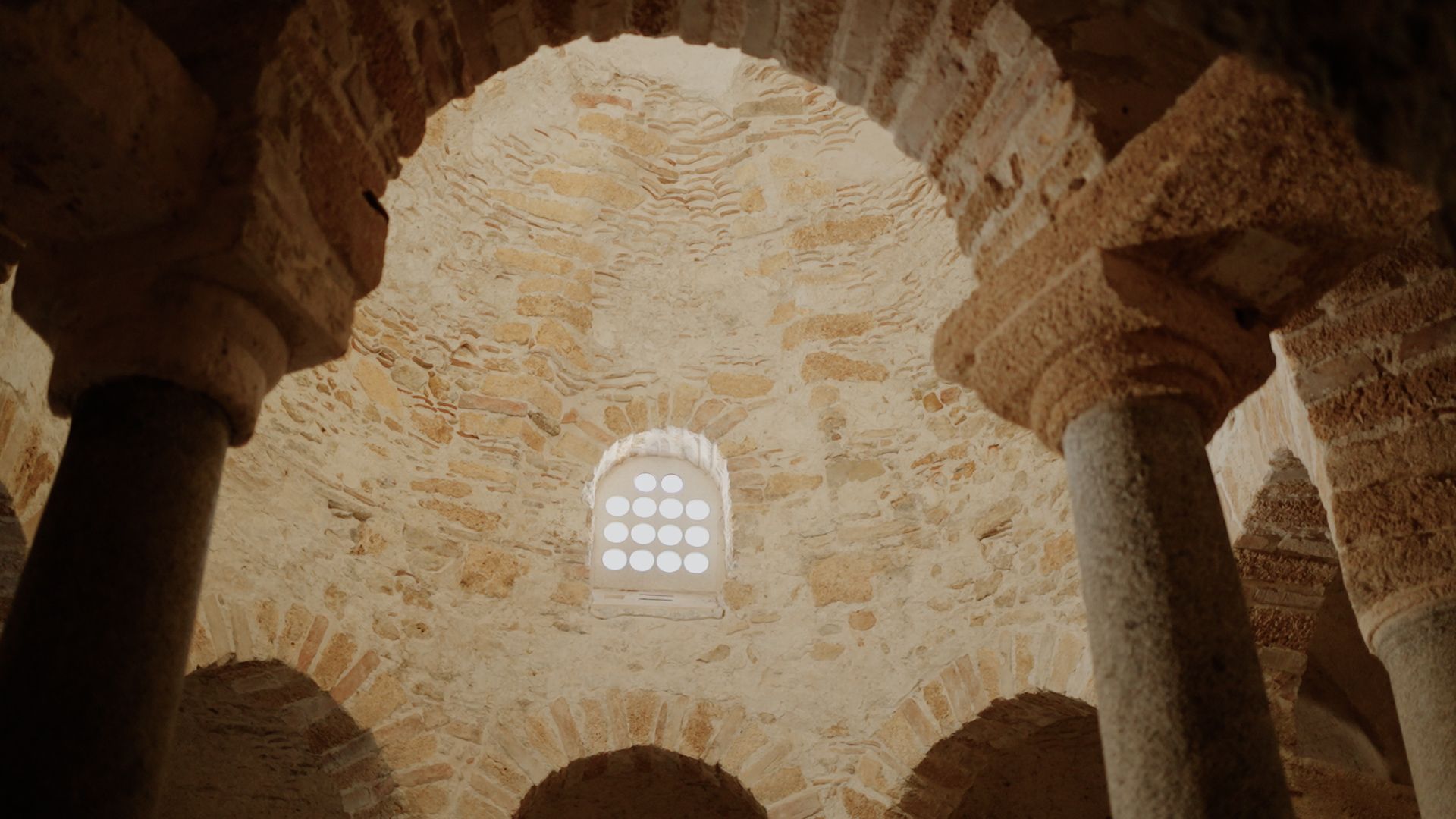
The Byzantine Baptistery is a unique structure in Calabria, one of the oldest and most significant Byzantine buildings in the region, dating back to the 7th-8th centuries. Circular in shape with a central dome, it still retains traces of the original frescoes. It is a jewel of Byzantine Art and Architecture, a symbol of the ancient cultural link between Calabria and the East.
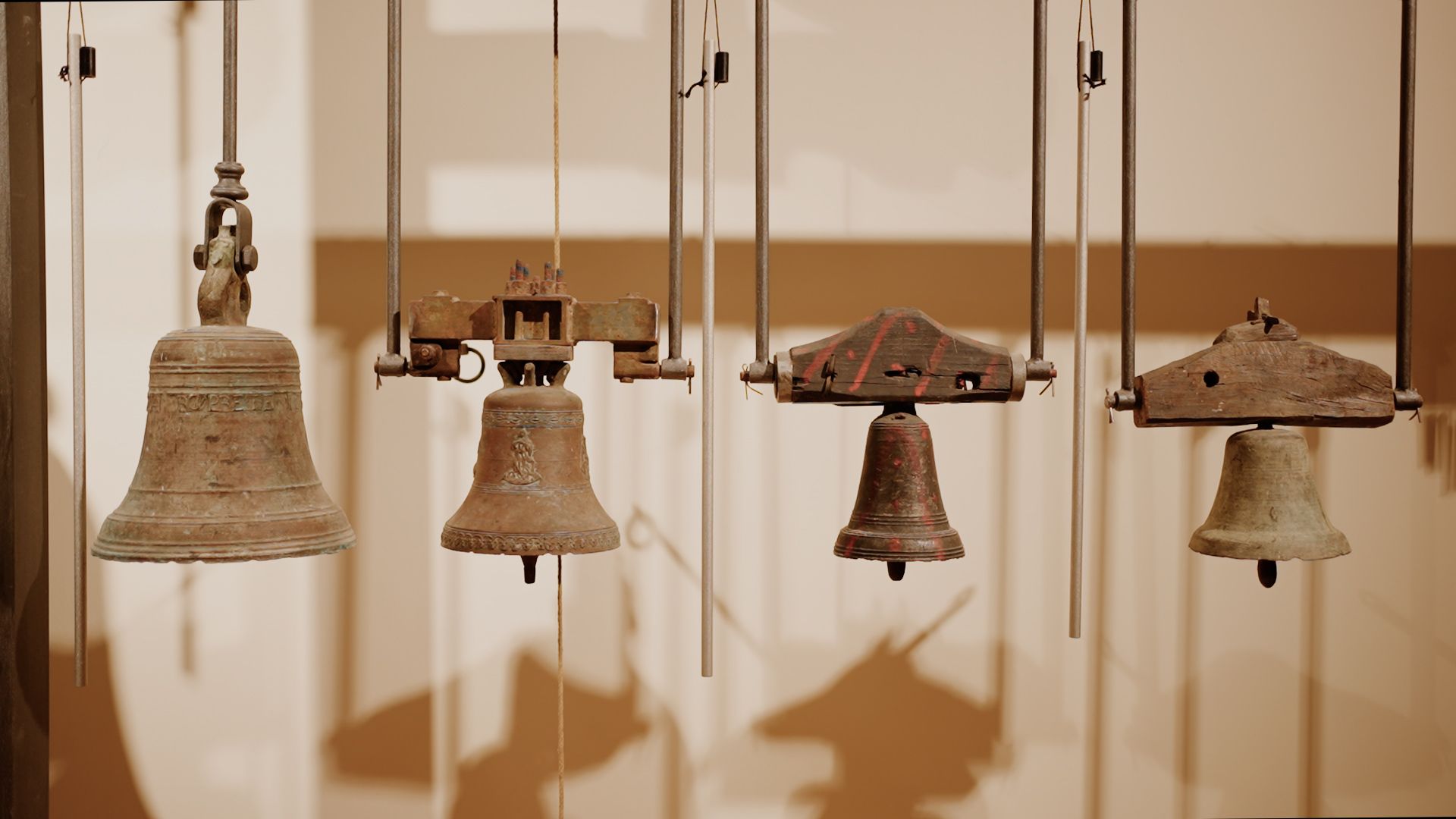
The Diocesan Museum of Sacred Art is located next to the Cathedral and houses a vast collection of sacred art works, including paintings, sculptures, liturgical vestments and reliquaries, covering a time span from the Middle Ages to the Baroque Period. A visit that allows one to discover the artistic and cultural wealth of the religious community of Santa Severina.
The Archbishop’s Palace: An elegant Palace serving as the Residence of The Archbishops, with a Renaissance façade and an ornate portico. Inside are frescoed rooms and a Historical Library with ancient volumes and manuscripts.
The Porta di Terra is the main entrance to the village, dating back to Medieval Times. Passing through it is like taking a plunge into the past, entering a village that still preserves its original structure intact.
The Museum of Contemporary Art of Santa Severina (MACSS) is one of the cultural gems of the village and represents a meeting point between past and present, combining the historicity of the place with modern artistic expression. Located in a historic building in the heart of the village, the Museum houses a diverse collection of works by contemporary artists, both local and international.
- Piazza del Campo
- Norman Castle
- Villa Comunale
- Co-Cathedral of Sant’Anastasia
- Baptistery
- Diocesan Museum
- Archbishop’s Palace
- Porta di Terra
- Museum of Contemporary Art of Santa Severina (MACSS)
Food and Wine
Santa Severina offers flavours and stories that speak to the heart and palate. The area also boasts the ‘Aranciàru‘, the orange of Santa Severina, the fruit of a land that, thanks to its peculiarities, gives this citrus fruit superior organoleptic qualities. This product is not only a symbol of Local Gastronomy, but has earned a fame that goes beyond the borders of the village, becoming the leading produce at various trade fairs. The cuisine of Santa Severina is therefore a journey between Tradition and Quality, where each dish tells the story and characteristics of a place rich in culture and passion.
Events and Traditions
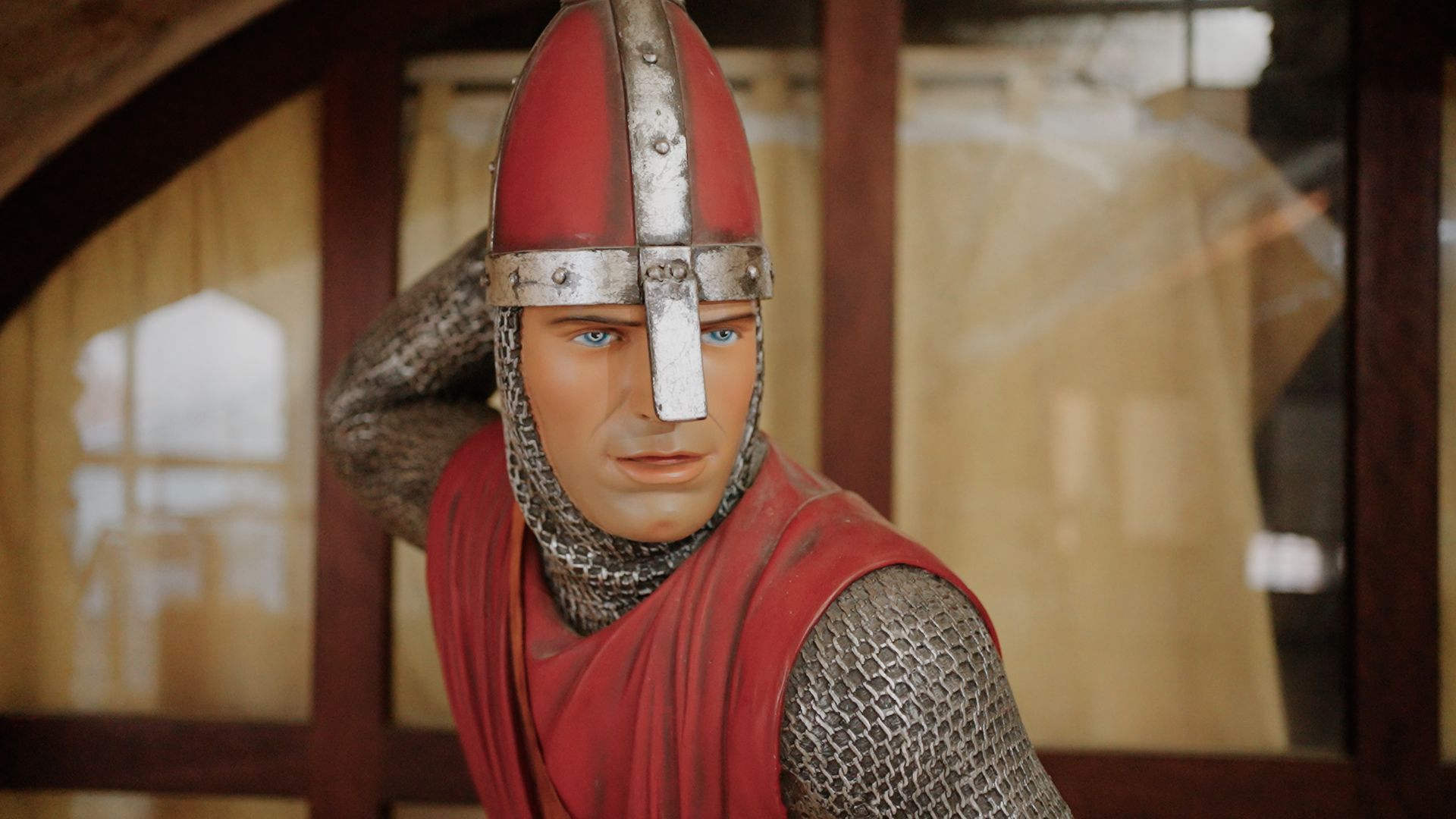
History comes back to life, with characters and traditions, customs and traditions of a bygone era that still fascinate today. This is the Medieval Festival that takes place every year in the enchanting setting of the village of Santa Severina: a historical re-enactment of daily life in the Village in Medieval Times that takes place every year in spring.
How to get to Santa Severina
The village of Santa Severina is located in Calabria, about 30 kilometres away from Crotone. Santa Severina can be easily reached by car along the SS 107bis, an important road northwest of Crotone that joins the SS 107, SS 106 and SS 109, thus allowing full accessibility to the village from the entire region.
Points of interest
Photo Gallery